Thanos and Gamora: original art by firasd/Reddit
The Marvel Cinematic Universe continues to surprise me. The fact that it has, for the past 10 years, created not just a series of blockbuster movies that are often fun and occasionally downright compelling is pretty darn impressive. The fact that these movies actually all join together in serial form culminating with Infinity War is even more impressive. The fact that Infinity War itself manages to tell a coherent story across multiple simultaneous arcs and over a dozen primary characters is amazing.
To me, the biggest surprise was Thanos.
Marvel has not always done well with its cinematic villains. The worst (Justin Hammer in Iron Man 2 for example) come off as fairly standard tropes. Their motivations are standard – power, glory, revenge, etcetera. Even the better villains such as Ultron (Avengers: Age of Ultron) I found somewhat disappointing, as came off to me as another take on the monster who destroys its creators as well as everything else.
Thanos, however was quite different. I’ll say why ahead, but if you haven’t watched the film yet what follows may spoil some of the film for you. I’m also going by memory (and Google), so bear with me if I make storyline errors. Continue reading




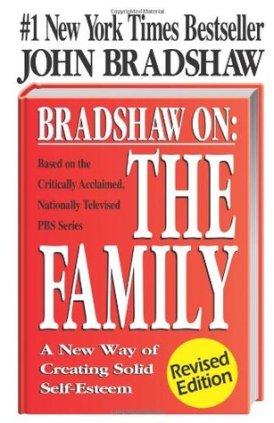 I’m going to start right off by saying that this book will probably garner some strong reactions. John Bradshaw rose to prominence and popularity through PBS specials in the ’80s that, at the time, were controversial not only for their pop-psychology and soft spirituality but for their criticism of the family system as a source of dysfunction. Yet I found this book pivotal in my CPE training and helpful for understanding how individuals aren’t nearly as “individual” as we think.