Medical Assistance in Dying: A Complex Conversation in Hospice Care

Hello (again) world! I know it’s been some time since my last post. The reasons are plentiful: word weariness after finishing my book, the breakneck pace of my caseload, and guitar lessons. Although, in all honesty, the guitar lessons and the following practice only account for probably 0.023% of my time. But given some prior conversations and a free afternoon, I thought I’d pick up the keyboard again.
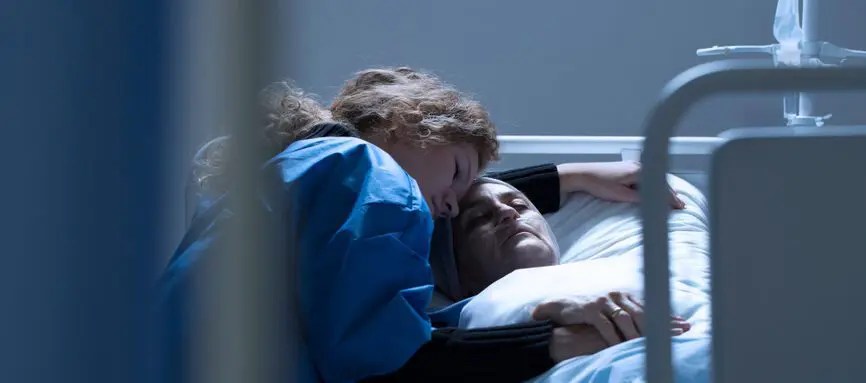

The topic of physician-assisted suicide, more commonly referred to as medical assistance in dying (or simply MAiD), has been an interest of mine for some time. In 2014 I offered a presentation at the annual Association of Professional Chaplains conference regarding the debate regarding voluntary euthanasia, offering my own opinion on what I saw as the key underlying concerns of those for and against physician-assisted suicide, as well as how hospice and palliative care were uniquely situated to address those concerns.

Now, over ten years later, a lot has changed in this landscape. The number of states offering legal MAiD went from four in 2014 to twelve in 2024. Several states are considering legislation this year to offer MAiD, which, if they all pass, would make MAiD legal in over half of the states in the country.

Continue reading

Navigating Politics in Chaplain Interactions: Nicholas Collura on The Chaplain’s Compass

The Association of Professional Chaplains has a new podcast series called The Chaplain’s Compass that I highly recommend. It is still very new, with a few bugs being worked out, but the content is all very good so far. Recently they featured a discussion with Dr Nicholas Collura, Director of the Radius Program in ethics at MIT, and the author of “When Patients Talk Politics: Opportunities for Recontextualizing Ministerial Theory and Practice.” His presentation on dealing with political discussions with patients ended up being a highlight of the 2024 APC annual conference.

In this podcast, Dr Collura discusses the tricky landscape of political talk with patients. He gives insight as to how to address the deep core issues that may be at play in discussion of politics, including how to bring those issues out during assessment. He also talks about how to handle our own personal issues that may be triggered when our patients bring up politics.

It’s a very insightful and worthwhile discussion. You can find the episode here on Apple podcasts or wherever you listen to your podcasts.

“I can’t talk, my pastor’s here”

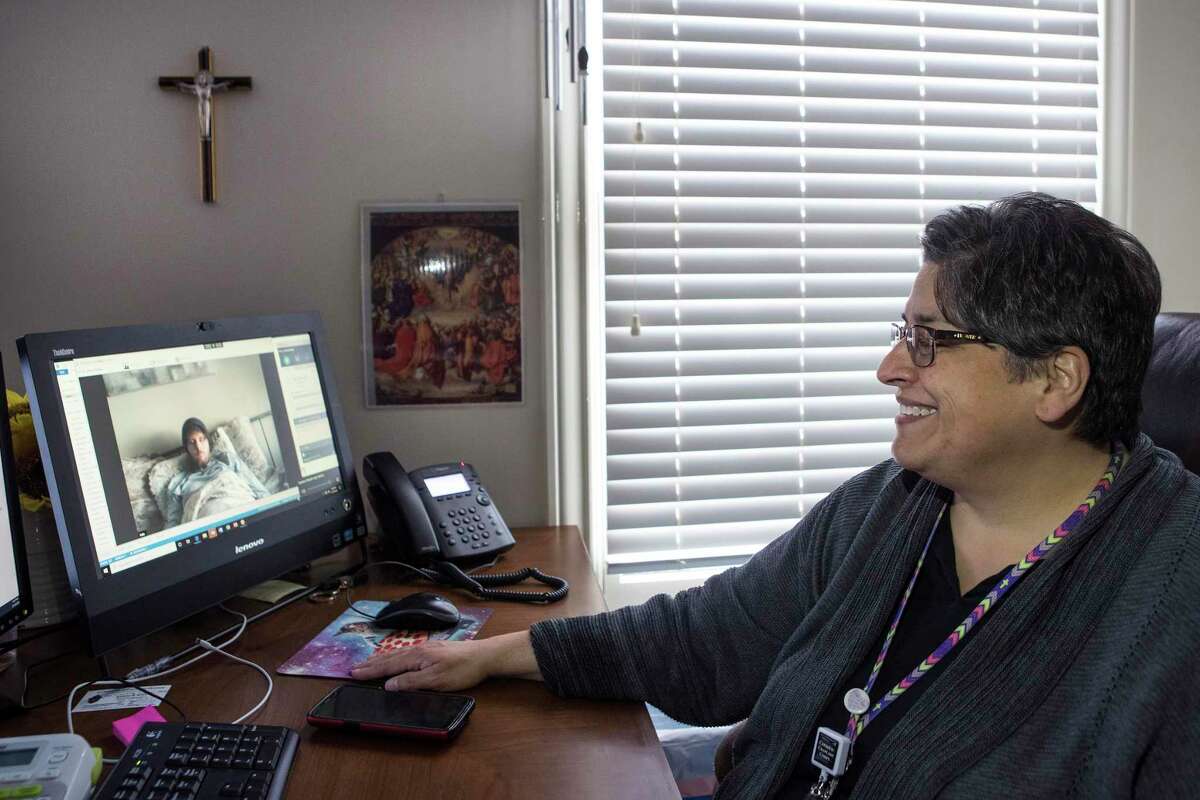
photo: Andrea Melendez / The Des Moines Register

It had taken me a long time to get through Frank’s* door. He had cared for his brother at his home until his symptoms became unmanageable and he had to go to a skilled nursing facility. He wasn’t on service for long though, as after his admission he died within a short time. Prior to this, we hadn’t had much contact with Frank. He wasn’t making medical decisions for his brother, and he often came across as gruff and reserved over the phone. He had declined a chaplain for support as well as our social worker. However, after the death our staff raised concerns about Frank, given how close he and his brother were and his own health problems.

Continue reading

“Dying is very lonely”

“Helen” is an elderly woman who lives in one of the nicer nursing homes in my area. She had an extremely difficult life growing up, which caused her to deal with addiction and its after-effects for many years. While she has remained a staunch Catholic, the “big book” of Alcoholics Anonymous holds a place in her heart as well. Helen is quite crippled and is in bed most of the time. While this leaves her rather isolated, whenever she is up she becomes quite anxious and often asks to be put back in bed. She is in almost constant pain from arthritis, which aggravates her anxiety, which in turn aggravates her pain. However, she is remarkably pleasant to visit. She treasures her Catholic faith, watching Mass every day and often talking about her faith with me.

On a recent visit, as I was leaving, she called out “thank you so much for coming, dying is very lonely.” This statement struck my heart, as it’s the most direct someone has ever been about their own dying experience.

Continue reading

Beyond Certification: Looking At the Future of Chaplaincy

From time to time I’ve been asked “so how do I become a Chaplain?”. While I usually answer with a laundry list of things to do to prepare, train and ultimately become certified, the real answer is – it depends. It depends not only on what you do to prepare to be a chaplain but also on what employers expect from a Chaplain. And sometimes these two areas are quite different from each other.

Continue reading

Guest Post: 6 Valuable Ways to Support Veterans In Your Community

Guest Writer: Rhonda Underhill

Military veterans made an honorable choice when they joined the service, and sometimes readjusting to civilian life after serving can be difficult. Whether you have a veteran close to you or want to honor veterans in your community, there are plenty of ways to help someone who needs it. From small but impactful gestures like assisting them in reconnecting with loved ones to bigger ones like helping them find a home, The Chaplain’s Report shares six valuable ways to support a veteran in your community.

Continue reading

Where We Are: COVID-19 Update

So it’s been a while, hasn’t it? Many of us working in healthcare have been strained to say the least. Even if we aren’t dealing directly with patients with the coronavirus or their families, the rapidly changing and always dramatic day-to-day events in our country and around the world are more than enough for anyone to handle.

Rather than post an essay or some helpful “how-to-cope” stuff, I’m just going to write. Which is a way of coping in itself. Pardon any possible incoherence. Continue reading

Chaplaincy Today Isn’t Chaplaincy Yesterday: Chaplaincy in COVID-19

Dawn Malone, a lay chaplain for the archdiocese of Galveston-Houston, ministers to cancer patient Austin Bond, via video conference on Thursday, March 19, 2020 in Houston. Coronavirus has limited local chaplains the ability to minister to the sick or elderly. Chaplains have also been told not to minister to any group more than 10. Photo: Brett Coomer, Houston Chronicle / Staff photographer

Our CPSP chapter met by Zoom last evening and it was clear that we all needed to vent. The past few weeks have been quite tumultuous throughout the world, our country, our county and our workplaces. Where we would usually brought cases to discuss and receive feedback, we found ourselves becoming the cases to present. Many felt lost. One member who had just taken a new paid position was now told to stay home because she was in a high risk population. Another member was caring for an ill husband and struggled with the inability to do what he felt such a strong call to do. Another member was constantly bombarded with work calls during the meeting. One member, a Rabbi, spoke of trying to figure out how to have a Passover Seder via Zoom (which she called a “Zeder” – I laughed for about 5 minutes). Continue reading

Guest Post: In Defense of Selfies, by Dom Fuccillo

At the dawn of social media, friends sent me a lot of selfies and pet photos. Nice.  Now they add a few words to them or call, and I feel better in touch. You may have had a similar experience.

This presumed march from self to thou may teach us something about our field: the value of reaching out more thoroughly and often to colleagues and chaplains-in-training. This reaching out can be personal, as with maturing social media or mentoring in the old style of my generation; formal, as in speaking or writing; and strong or subtly persuading others to tell what they have learned or felt during chaplaincy. Continue reading

Relating Faith and Psychology From the Pulpit: Part 1

Mental health is a major concern in the United States, and Christian books concerning depression, anxiety and other mental health issues are common bestsellers. Yet the majority of pastors rarely or never discuss it on Sunday mornings.

A 2018 study by Lifeway research brought the issue of how mental health is addressed in churches to light. The study found that although 66% of pastors rarely discussed mental health issues from the pulpit, over half have counseled someone with an acute mental illness, and ¾ of those surveyed knew someone personally who suffered from clinical depression. The study found that almost a quarter of pastors surveyed struggled with mental illness themselves. If this is the case, why aren’t pastors speaking about this more often? Continue reading